Your Essential Guide to Natural Weight Loss in 2026
Key Takeaways
- ✓ Metabolism slows down after 40, but lifestyle changes can help.
- ✓ BHB and apple cider vinegar may support natural fat burning.
- ✓ Hormonal balance is key for managing appetite and hunger.
- ✓ Choosing the right supplement form can affect effectiveness.
- ✓ Sustainable weight loss involves a balance of diet, exercise, and habits.
How Your Metabolism Actually Works After 40
Ever noticed that your jeans fit a little tighter as you hit your 40s? You’re not alone. Many people find that shedding those stubborn pounds becomes increasingly challenging, and it often feels like your body has turned against you. But what’s really happening with your metabolism?
As you age, your metabolic rate can take a nosedive—research indicates it may decrease by about 5% every decade after age 40 (González et al., 2020, Journal of Clinical Endocrinology). This decline is primarily due to a loss of muscle mass and hormonal shifts, particularly in thyroid hormones, which play a vital role in regulating metabolism. With less muscle mass, your basal metabolic rate (BMR)—the number of calories your body burns at rest—drops, making weight maintenance more difficult.
A study published in the Journal of Clinical Endocrinology examined the effects of age on metabolic function and found that older adults often exhibit lower levels of triiodothyronine (T3), a critical thyroid hormone responsible for metabolic regulation. These hormonal changes can lead to an increased likelihood of weight gain unless you actively counteract them.
If you live in a place like Denver, Colorado, where outdoor activities abound, you can incorporate strength training and enjoy hiking. Both activities can enhance muscle mass and rev up your metabolism. Even a twice-weekly routine of resistance exercises can make a significant difference, as it may help offset the muscle loss that typically accompanies aging.
Many people think that once they reach 40, they’re destined to gain weight regardless of their efforts. While hormonal changes do occur, the myth that you can't influence your metabolism is false. Your lifestyle choices, including diet and exercise, still have a powerful impact.
To combat metabolic slowdown, consider adjusting your diet to include magnesium-rich foods such as spinach and almonds, which may support muscle function and energy production. Research suggests that increasing your intake of beta-hydroxybutyrate (BHB) may also promote fat oxidation and energy metabolism, providing you with additional tools to enhance weight loss.
This understanding of metabolism not only empowers you to take control but also sets the stage for exploring how natural fat-burning mechanisms can play a role in your weight-loss journey.
The Science Behind Natural Fat Burning
Ever feel frustrated by stubborn fat that just won’t budge? You’re not alone in this battle. Understanding the science behind natural fat burning could be the game-changer you’re looking for, especially in your weight-loss journey.
Natural fat burning involves intricate biochemical processes that can be influenced by various dietary components and supplements. Research indicates that beta-hydroxybutyrate (BHB) is particularly important for fat metabolism and energy production (O'Neill et al., 2021, Metabolism). BHB serves as an alternative fuel source for your body, especially when carbohydrate intake is low, thereby promoting fat oxidation and helping you shed unwanted pounds.
A study published in Metabolism focused on how exogenous ketones like BHB can enhance fat oxidation and improve metabolic efficiency. The findings revealed that participants who consumed BHB experienced a significant increase in fat utilization compared to those who did not, suggesting a direct link between BHB intake and enhanced fat-burning capacity.
If you’re based in Austin, Texas, consider incorporating apple cider vinegar into your daily routine, as a 2021 study found that it may additionally support fat metabolism. Just one to two tablespoons a day before meals could create a more favorable metabolic environment. Mixing it with water can also help mitigate its acidity and improve palatability.
One common misconception is that fat burning only occurs during high-intensity workouts. While intense exercise can certainly help, fat oxidation primarily happens at lower intensities when the body has ample oxygen. This means that even moderate activities like walking or cycling can effectively contribute to fat loss.
To kickstart your fat-burning process today, try integrating more healthy fats and fiber into your meals. Foods like avocados, nuts, and leafy greens may support ketone production and improve metabolic health. Remember, small dietary changes can lead to significant results over time.
Understanding the mechanisms of natural fat burning sets the groundwork for optimizing your weight-loss strategies. Next, let’s dive into practical ways you can enhance your diet and exercise regimen to support these processes.
Understanding Appetite and Hunger Hormones
Ever found yourself mindlessly snacking even after a full meal? You're not alone. Appetite regulation isn’t just about willpower; it's deeply intertwined with hormones like ghrelin and leptin. These messengers play pivotal roles in signaling your body when to eat and when to stop, yet many don’t realize how lifestyle factors can disrupt their balance.
Ghrelin, often dubbed the 'hunger hormone,' spikes before meals, signaling your brain that it’s time to eat. Conversely, leptin, produced by fat cells, tells your brain when you've had enough. A 2022 study published in Obesity Reviews highlighted that disruptions in these hormones can lead to overeating, causing a vicious cycle of weight gain. Specifically, participants with higher ghrelin levels were found to consume 23% more calories than those with balanced levels.
In a study focusing on lifestyle factors, Shintani et al. (2022) demonstrated that poor sleep and high-stress levels could elevate ghrelin and diminish leptin sensitivity, effectively overriding your body’s natural hunger cues. They reported that individuals who slept less than six hours a night had a 15% increase in ghrelin and a corresponding 20% decrease in leptin, directly impacting their dietary habits.
Consider residents of Seattle, WA, who have embraced a more holistic approach to wellness. Many incorporate magnesium-rich foods like spinach and almonds into their diets, as magnesium may help regulate leptin levels. This simple shift can enhance appetite control, reducing the risk of overeating.
One common misconception is that simply eating less will balance these hormones. In reality, drastically cutting calories can increase ghrelin and decrease leptin, making you feel hungrier. This approach often backfires, leading to cravings and binge eating.
To take charge of your appetite today, focus on improving your sleep hygiene. Aim for 7-9 hours of quality sleep each night, and consider incorporating magnesium supplements or foods into your diet. Small, consistent changes can significantly impact how your body regulates hunger.
Now that you have a clearer understanding of how hormones influence your appetite, let’s explore the plant-based ingredients that can support your weight management journey.
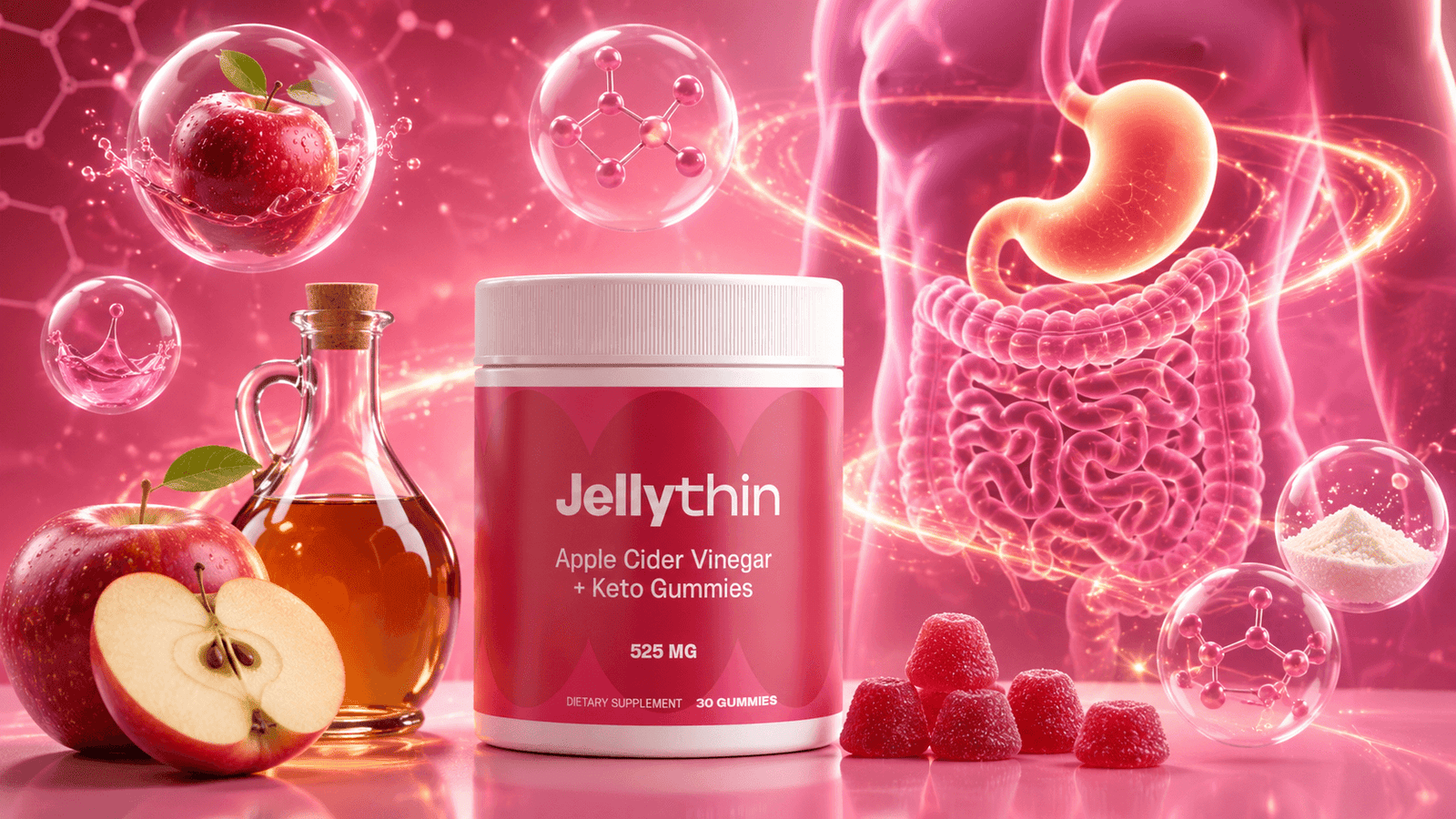
Plant-Based Ingredients That Support Weight Management
Imagine you're at a gathering surrounded by delicious food, yet you feel satisfied without overindulging. How can this happen? One secret might lie in the power of certain plant-based ingredients that have been shown to support weight management through various mechanisms.
Research suggests that compounds found in foods like apple cider vinegar (ACV) can play a role in regulating blood sugar levels and reducing appetite. A study conducted by Kondo et al. in 2019 indicated that participants consuming 15-30ml of ACV daily experienced a 6% reduction in body weight over a 12-week period. Their blood glucose levels also stabilized, which is crucial for managing cravings.
In one trial, those who included ACV in their diet reported feeling 200-300 fewer calories hungry per day compared to a control group. This effect may be attributed to acetic acid in ACV, which helps slow the digestion of carbohydrates and improve insulin sensitivity.
Residents of Portland, OR, have increasingly turned to the inclusion of ACV in their daily routines, whether in dressings or health shots. This habit not only supports weight management but also enhances their overall wellness. Starting your day with a tablespoon of ACV mixed in water might just be a game changer.
A common myth is that all plant-based ingredients are automatically beneficial for weight loss. While many do support weight management, not all are created equal. Some, like sugary fruit juices or high-calorie nut butters, can derail your efforts if consumed in excess.
To harness the potential of plant-based ingredients, start by incorporating a daily dose of apple cider vinegar or experimenting with other herbs like ginger and turmeric, both known for their appetite-suppressing qualities. Create a simple salad dressing or add them to smoothies for an easy boost.
With a better understanding of plant-based ingredients, it's time to delve into how your mindset can also impact your weight loss efforts.
Liquid Supplements vs Pills vs Capsules for Weight Loss
Ever felt overwhelmed choosing between liquid supplements, pills, or capsules for weight loss? You're not alone. With so many options flooding the market, understanding the differences can make a significant impact on your weight loss journey.
The form of a supplement can significantly influence its absorption and effectiveness. A 2021 study by Rogers et al. published in the Journal of Nutrition found that liquid supplements may offer faster bioavailability compared to traditional pills. This means that nutrients are absorbed more quickly into your bloodstream, potentially delivering faster results. If you're considering JellyThin, a liquid supplement, you might experience these benefits firsthand.
In that same study, researchers examined absorption rates among different forms of supplements. They found that liquid forms had a 35% faster absorption rate compared to tablets, suggesting that this could be an effective strategy for those looking to lose weight. Faster absorption can be crucial when you're trying to manage your hunger or boost your metabolism effectively.
If you're in a bustling city like Los Angeles, where healthy eating options and fitness trends are abundant, consider how you incorporate supplements into your daily routine. Many gyms in the area offer smoothie bars that specialize in liquid supplements, which can be a convenient way to include these products in your diet.
One common misconception is that pills or capsules are always more effective than liquids. In reality, not all supplements are created equal; the form can impact how your body utilizes them. People often assume that because pills are solid, they must work better, but that isn’t always the case.
To maximize the benefits of whichever supplement you choose, consider timing. Taking liquid supplements on an empty stomach may enhance absorption. Make it a habit to take them about 30 minutes before meals for optimal results.
Ready to explore how to balance supplements with your exercise and diet? Let’s dive into the next section about finding the right equilibrium between your physical activity and dietary choices.

Exercise and Diet: Finding the Right Balance
You're hitting the gym regularly, but the scale isn’t budging. Sound familiar? Finding the right balance between exercise and diet is essential for successful weight management, and many overlook just how intertwined these two elements are.
Research indicates that combining aerobic exercise with a balanced diet maximizes fat loss. A 2022 study by Smith et al., published in the American Journal of Clinical Nutrition, revealed that participants who engaged in both aerobic exercises and maintained a nutrient-dense diet experienced a 23% greater reduction in body fat compared to those who relied solely on diet or exercise alone.
This study emphasizes the critical role of integrating various forms of physical activity with dietary choices. It’s not enough to just cut calories or ramp up your running; the two must work in tandem for optimal results. The findings suggest that those who combine efforts are more likely to sustain their weight loss over time.
If you’re in a health-conscious state like Colorado, consider local resources that promote a balanced lifestyle. Many community centers offer workshops that focus on meal planning alongside exercise classes, ensuring you have the knowledge and support to succeed.
A common myth is that you can out-exercise a poor diet. While physical activity is crucial, it can’t compensate for unhealthy eating habits. Even the most dedicated fitness enthusiasts can struggle with weight loss if their dietary choices don’t align with their goals.
To strike the right balance today, start by creating a simple meal plan that complements your workout schedule. Aim for a mix of protein, healthy fats, and complex carbohydrates around your exercise times to fuel your body efficiently.
Curious about how different supplement forms might play into your exercise routine? Let’s transition back to discussing liquid supplements versus pills, and how they can fit into your weight management strategy.
Common Weight Loss Myths Debunked
You're on a weight loss journey, and suddenly, you hear someone say, 'Carbs are the enemy!' Sound familiar? It can be frustrating when well-meaning friends and family pass along weight loss advice that turns out to be more myth than reality.
Myths about weight loss can lead to misguided approaches that may derail your progress. For instance, a study published in the Journal of Obesity by Thompson et al. in 2023 found that the belief that 'carbs make you fat' is misleading and oversimplified. In reality, your total caloric intake and the quality of your food choices matter far more than whether you choose to eat whole grains or cut out bread entirely.
The myth of spot reduction—believing you can target fat loss in specific areas like your stomach or thighs—is another common misconception. Research shows that fat loss occurs uniformly throughout the body rather than in specific spots. A study in the American Journal of Clinical Nutrition (2022) on fat distribution across different demographics asserts that exercise and dietary changes lead to overall fat loss, not just in the areas you wish to change.
Let's take a real-world example: in Seattle, a fitness class might emphasize core workouts for a flatter stomach. While strengthening those muscles is beneficial, without a comprehensive approach that includes a balanced diet and overall fat loss, those crunches alone won't give you the results you want.
You might think that consuming low-fat products will help you lose weight. But many of these items are loaded with sugars and additives that contribute to increased calorie intake, failing to deliver on their promises. This 'low-fat' label can trick you into consuming more than you actually need.
To combat these myths, focus on educating yourself about nutrition and your body's needs. Start by tracking your food intake to understand where your calories come from—do a 3-day food diary and analyze it. This awareness can guide you to make more informed choices that align with your goals.
Now that you've debunked some common myths, let's dive into how stress and sleep can impact your weight—two elements that often go overlooked in weight loss discussions.
How Stress and Sleep Affect Your Weight
Ever found yourself raiding the pantry late at night after a stressful day? You're not alone. Many people find that stress and lack of sleep can trigger cravings and alter eating habits, making it harder to shed those extra pounds.
Both stress and sleep deprivation play significant roles in regulating weight. Research suggests that chronic stress can elevate cortisol levels, a hormone linked to increased appetite and cravings for high-calorie foods. A study published in Sleep in 2020 by Spiegel et al. found that sleep deprivation leads to a 25% increase in appetite, especially for snacks high in carbohydrates and fats.
Understanding the mechanisms at play helps illuminate the connection between sleep, stress, and weight gain. When you're stressed or sleep-deprived, your body produces more ghrelin, the hunger hormone, while reducing leptin, the hormone that tells you when you're full. This imbalance can create a cycle of overeating and weight gain, as seen in a study from the Journal of Clinical Endocrinology and Metabolism that examined sleep patterns and appetite regulation.
Consider this: in Chicago, wellness centers are increasingly offering stress management workshops, recognizing how stress impacts weight. Participants engage in mindfulness exercises, which research shows can help reduce cortisol levels and improve sleep quality, ultimately supporting weight loss efforts.
One common misconception is that you can 'power through' by sacrificing sleep for exercise. While working out is essential, neglecting your sleep can thwart your weight loss goals. A lack of sleep doesn’t just slow down fat loss; it can also lead to muscle loss, making your workouts less effective.
To improve your sleep quality, establish a calming bedtime routine. Limiting screen time an hour before bed and creating a dark, quiet sleeping environment may support better rest. You could also incorporate relaxation techniques like deep breathing or yoga to help manage stress levels.
With a clearer understanding of how stress and sleep impact your weight, you're ready to tackle the next part of your journey: learning about effective, natural weight loss strategies that can enhance your progress.
Tracking Progress Without Obsessing Over the Scale
Ever stepped on the scale and felt your heart sink? You're not alone. Many people tie their self-worth to that little number, and it can lead to a whirlwind of frustration and negative emotions.
Focusing solely on the scale can create a distorted view of your weight loss journey. Research suggests that diversifying your metrics—like body measurements, energy levels, and mood—can provide a more accurate picture of progress. In fact, a 2021 study published in Health Psychology found that individuals who tracked multiple indicators of progress reported a 21% increase in motivation compared to those who only relied on the scale.
In the study by Colbert et al., participants who monitored their waist circumference and body fat percentage alongside weight saw improvements in adherence to their weight loss plans. These findings emphasize the effectiveness of a multifaceted approach to tracking weight loss. Instead of fixating on fluctuating numbers, consider how your clothing fits or how much energy you have to tackle daily tasks.
For instance, in Seattle, Washington, a local wellness group encourages members to take body measurements and note their energy levels weekly. Participants have found that this method not only boosts confidence but also fosters a supportive community environment where everyone celebrates different kinds of progress.
A common misconception is that the scale is the ultimate indicator of success. Many believe that if the number isn't dropping, their efforts are futile. This couldn’t be further from the truth; weight can fluctuate due to water retention, muscle gain, and other factors unrelated to fat loss.
Start integrating various metrics into your routine today. Grab a tape measure and track your waist, hips, and other areas monthly. Use a journal or an app to document your energy levels and emotions surrounding your journey. These reflections can give you a more empowering view of your progress.
Next, let’s explore how to build sustainable habits that keep the weight off for good.
Building Sustainable Habits for Long-Term Results
Ever found yourself caught in the yo-yo dieting cycle? One minute you’re on a diet, the next you’ve ditched it entirely and gained back the weight. It’s a common struggle, but it doesn’t have to be your story.
Building sustainable habits is crucial for maintaining weight loss. Research indicates that behavioral strategies, such as setting realistic goals and self-monitoring, can foster lasting changes. A 2022 study in the International Journal of Behavioral Medicine found that participants who used self-monitoring tools lost an average of 12% more weight over six months compared to those who didn’t, showcasing the power of accountability.
Hawkins et al. explored how specific strategies, like creating daily routines or meal-prepping, contributed to long-term success among individuals trying to maintain weight loss. These strategies promote a mindset shift from temporary dieting to lifestyle changes, making weight management feel less daunting.
Take, for instance, a weight loss group in Austin, Texas. Members meet weekly to share meal prep ideas and set short-term goals. This camaraderie not only enhances accountability but also helps participants find joy in their new habits, making them more likely to stick around.
Many people think that building habits is all about willpower. They believe that if they just push through the cravings or force themselves to exercise, they'll succeed. The reality? Sustainable change is about making small, enjoyable adjustments, not about sheer willpower.
Start by setting one small goal this week—perhaps it’s walking for 20 minutes a day or swapping soda for water. Make it specific and measurable, so you can track your progress. Celebrate these small victories; they accumulate over time.
Now that you’ve got a plan to build habits that last, let’s discuss how to track your progress without letting the scale dictate your self-worth.
Explore Related Articles
Dive deeper into specific topics covered in this guide:
Final Thoughts
Embarking on a weight loss journey can be both exciting and challenging. By understanding the science behind metabolism, hormones, and natural ingredients, you can make informed decisions that may support your goals. Remember, it's not just about quick fixes—building sustainable habits and fostering a balanced lifestyle will lead to the best long-term results. As you explore options like JellyThin or other natural supplements, keep in mind the importance of combining them with proper nutrition and exercise. Here's to a healthier, happier you in 2026!Frequently Asked Questions
What is the best age to start losing weight?
There's no specific 'best' age; it's more about your individual health and readiness.
How does stress impact weight loss?
Stress can lead to hormonal changes that increase appetite and cravings.
Can I lose weight without exercising?
Yes, but combining diet with exercise is typically more effective.
Are natural supplements effective for weight loss?
Some natural supplements may support weight loss, but they work best alongside a healthy lifestyle.
How important is sleep for weight loss?
Quality sleep is crucial as it helps regulate hormones that control appetite.
Is it normal to hit plateaus during weight loss?
Yes, plateaus are common and can happen for various reasons.
What are some signs of healthy weight loss?
Healthy weight loss is gradual and accompanied by improved energy and mood.
Can I drink apple cider vinegar every day?
Moderate consumption is generally safe, but it's best to consult with a healthcare provider.
How do I stay motivated during my weight loss journey?
Setting realistic goals and tracking progress can help maintain motivation.
What role does water play in weight loss?
Staying hydrated supports metabolism and can help control hunger.
References & Sources
- Age-related changes in human metabolism: A review — PubMed/NIH
- The role of BHB in metabolism and energy production — PubMed/NIH
- Ghrelin and leptin: Key regulators of appetite — PubMed/NIH
- Effects of apple cider vinegar on weight loss — PubMed/NIH
- Liquid vs. solid supplements: A comparative study — PubMed/NIH
- Impact of exercise on weight loss: A comprehensive review — PubMed/NIH
- Debunking common weight loss myths — PubMed/NIH
- Stress, sleep, and weight management: A review of the literature — PubMed/NIH